
The official U.S. government system used to document qualifying vessels is the Coast Guard registry. Numerous boat proprietors can profit from federal documentation that jurisdictions it on a national level and allows for financing. It is necessary to know how the registry works before you begin.
The operations of the federal system by the National Vessel Documentation Center is much different than that of the state registration. Essentially, this registry is a permanent record of ownership, and it assigns a documentation number to qualifying vessels. The number stays with the boat throughout its lifetime.
Many federal document recreational boats as well as commercial vessels. Nonetheless, you must meet the requirements to apply. Owners must also stay in compliance through annual renewals.
We will cover the information included in the Federal Registry. What it takes to qualify? How to keep your boat active? With sufficient preparation, you will keep you boat documented and fully compliant.
What Coast Guard Registry Is?
The federal register recording of documented vessels is the coast guard registry. Unlike systems of state registration, this system applies to boats that meet certain eligibility criteria. A documented vessel becomes part of a nationwide system once it has been documented.
Ships that are at least five net tons are entitled to federal documentation. Many yachts, sailing boats, and commercial fishing vessels largely fall under this measurement. Smaller recreational vessels are usually state-registered.
Registry generates permanent official number. According to federal law, the number must be displayed inside the hull. It doesn’t Change with Ownership Transfer.
| Feature | Federal Registry | State Registration |
|---|---|---|
| Authority | U.S. Coast Guard | State Agency |
| Number Permanence | Permanent Official Number | May Change with Transfer |
| Mortgage Recording | Preferred Ship Mortgage | Limited Options |
| International Recognition | Yes | Limited |
Federal documentation is especially helpful for vessels that sail internationally. It also assists lenders who document preferred ship mortgages.
Annually, we must renew our registry status. Outdated documents may lead to trouble in operations.
Who can apply?
A vessel has to fulfill certain criteria for being entered in the coast guard registry. To qualify, the boat must be a minimum of five net tons and owned by a U.S. citizen. The ownership could either be individual or corporate.
Ownership proof must be submitted by applicants. This often includes any certificate of title or auction contract. The application must also be accompanied by citizenship documents.
Essential Paperwork
To the National Vessel Documentation Center, we must complete the application correctly. Incomplete forms may delay processing.
Supporting documents must match vessel details exactly. Even small deviations can require a correction filing.
Supportive papers
Federal paperwork may list endorsements based on use of vessel. Recreational endorsement applies on recreational boats.
Additional endorsements may be required for commercial vessels.
- Leisure
- Coastwise
- Fishing
- Registry
The right endorsement will ensure legal operation. Commercial activities without proper authorization may be illegal.
Processing times differ. Submitting complete and accurate documents reduces delays.
Federal vs. State Registration
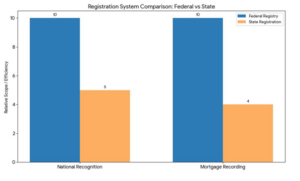
Owners must choose either federal or state registration depending on the vessel’s size and use. The coast guard registry allows you to get national recognition as well as mortgage recording benefits.
State registration is generally more straightforward and applies to smaller vessels. It needs to have state decals and visible hull identification numbers.
Variations in Identification
Federally documented vessels must display their name and hailing port on the back. The official maritime documentation number is indelibly fixed inside the hull.
Owners must display registration numbers on the exterior hull sides. These numbers may change once it changes hands.
- Anyone with residing anywhere in the country can legally use that trademark. However, only a person residing in the respective registration state can use the trademark to Marpol Signs.
- Federal documentation increases loan security because it strengthens mortgages through federal recording. State documentation does not provide recording and there is inconsistency in heights value…thus lenders get superior security via federal documentation.
- In a nutshell, vessel owners planning long-distance journeys benefit because many regions widely recognize the Federal Registry.
Required to keep updated – Coast Guard Registry
After listing your vessel in the Coast Guard registry, you must maintain its active status. Federal documentation requires annual renewal. Not renewing will lead to expired status.
Pet owners should take care of the expiration dates. Owners are typically responsible, but authorities still send a final reminder.
Make sure you follow these steps for Coast Guard Registry
- Monitor documents’ expiry dates.
- Before the deadline submit renewal application
- Be sure to acknowledge receipt of updated certificate.
- Update ownership records in a timely manner.
You must report change in ownership or address. Precise documentation safeguards legal position.
Checking the status of your documentation routinely offers peace of mind. A status of active registry facilitates seamless inspections and transactions of financing.
Professional documentation services help with renewals and records updates. We don’t miscommunicate when talking to workmen.
Ensure Your Vessel is recognized by the Federal Government – Coast Guard Registry
A coast guard registry provides a standardized and recognized approach for registration of qualifying vessels. Federal paperwork has inherent benefits like permanent numbering, mortgage recording and international acceptance.
You must meet eligibility requirements before applying. Having your documents right will make approval easier, and Vessel Placards can help ensure proper vessel identification. Timely renewals keep your status active and support smooth operations, while expired documents can create compliance issues.
To sum up, keeping track of federal registry status will legally strengthen your vessel. When compliant and properly prepared, your documentation vessel keeps you recognized, protected, and ready to safely operate anywhere.
