

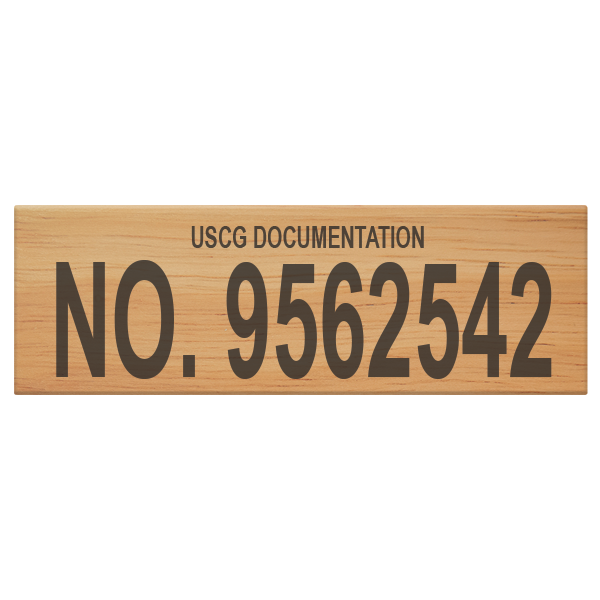
A Hardwood Placard is a traditional and dependable marine sign which is both attractive and functional. A Hardwood Placard is often selected by boat owners for the traditional look, while still satisfying the signage and compliance requirements Hardwood, in contrast to contemporary plastics or metals, imbues classic and custom vessels with warmth and craftsmanship and a wonderfully authentic feel.
Signage in marine environments must be clear, strong and suitable for on-board use. Wooden boards have been used on boats for information, safety and decoration for many years. When finished correctly, hardwoods will perform well indoors on a boat and outside in a protected location. The vessel’s visual appeal adds to the overall look.
This guide investigates the Hardwood Placard in detail. It describes what it is, the reasons why it continues to be so popular, and how it stacks up against its competitors at other placard materials. You will find hints and tips that can help you decide if a Hardwood Placard is right for your vessel. In the end, hardwood placards embody tradition, clarity and craftsmanship you’ll understand.
Understanding the Hardwood Placard
A Hardwood Placard is a signage panel made from solid hardwood species selected for strength and appearance. Common hardwoods include teak, oak, maple, and mahogany. These woods are known for durability and attractive grain patterns.
Hardwood placards are usually carved out or printed with required texts. The lettering is clearly visible against the wood surface. They can be used on board any informational or instructional object.
Hardwood gives a natural appearance unlike synthetic materials. Every placard features its own distinction. Owners of classic yachts and wooden boats are drawn to this singularity.
Key Benefits and Material Qualities
Wooden placards are more beneficial than the contemporary ones. These benefits are especially appreciated in traditional maritime environments.

Natural Aesthetic Appeal
One of the strongest benefits of a Hardwood Placard is appearance. The natural grain and warm tones enhance interior spaces. This complements classic vessel designs.
Hardwood signage blends seamlessly with wooden trim and cabinetry. It feels integrated rather than added. Many owners prefer this cohesive look.
Strength and Stability
Timber wood are firm and erect. It does not distort or twist under normal interior conditions. This makes sure the placard is flat and readable.
When properly finished, hardwood handles moderate humidity. Marine-grade finishes safeguard the wood and layer of the surface.
Craftsmanship and Tradition
Naval construction is indicated by wooden blocks. Stories and a sophisticated touch are called up. It makes them popular on classic boats and custom fibre-glass boats.
Carving into wood gives a tactile experience. Lettering relates to both touch and sight. Perception of quality gets stronger.
Typical Uses for Hardwood Placards
- Interior boat signage
- Instructional placards
- Decorative information panels
- Classic and wooden vessels
These uses are where hardwood shines. It is most suitable to visible safeguarded locations.
Hardwood Placard Compared to Other Materials
When choosing placard material, plastic or metal is often compared to hardwood. Each material can achieve different goals.
| Material | Appearance | Durability |
|---|---|---|
| Hardwood Placard | Traditional and warm | Moderate |
| Marine Grade HDPE | Modern and utilitarian | Very high |
| Aluminum | Industrial | High |
| Acrylic | Clean and glossy | Moderate |
Visual Appeal Comparison

- The hardwood placard was given a rating of $10.0$, which means it is very high. Due to its natural characteristics and a touch of warmth, it is often used for premium interior signage and decorative maritime purposes.
- Both acrylic ($5.5$) and aluminum ($4.4$) offer a Moderate level of visual appeal. Although they have a modern look, they are not as organic, elite and handcrafted as natural hardwood flooring.
- The graph shows there is a significant drop on visual appeal of $67\%$ from a Hardwood to a HDPE ($3.3$). This shows, that whilst HDPE is so tough and wear resistant to industrial or outdoor use, one doesn’t choose it for situations where looks count.
Practical Tips for Choosing and Using Hardwood Placards
Think about placement first when picking a Hardwood Placard. Enclosed areas are best suited. Refrain from direct exposure to the weather.
A sealed surface or a varnished surface stops moisture from getting in or stains getting in Marine-grade finishes enhance durability.
Verify that contrast is enough. A dark engraved lettering layer on a lighter wood surface increases legibility. Functional signage requires legibility and clarity.
Best Practices to Follow
- Install in protected locations
- Choose sealed or finished hardwood
- Ensure high text contrast
- Clean gently with non-abrasive products
Following these practices preserves both appearance and function. Proper care extends service life significantly.
The Enduring Value of a Hardwood Placard
A Vessel Placard is a classic marine sign whose looks are as important as its function. It’s warm, well-crafted and clear in a way that contemporary materials aren’t. When boat owners understand its strengths, they choose with confidence.
This guide explained what Hardwood Placard is, its advantages, and what is better than others. Tips to assist with appropriate selection and care were provided. Better outcomes long-run comes with knowledge.
When vessel owners select a hardwood placard for applicable marine usages, they enhance compliance and aesthetics. Hardwood signage is still the most effective way to achieve character on classic boats and in elegant interiors.
