

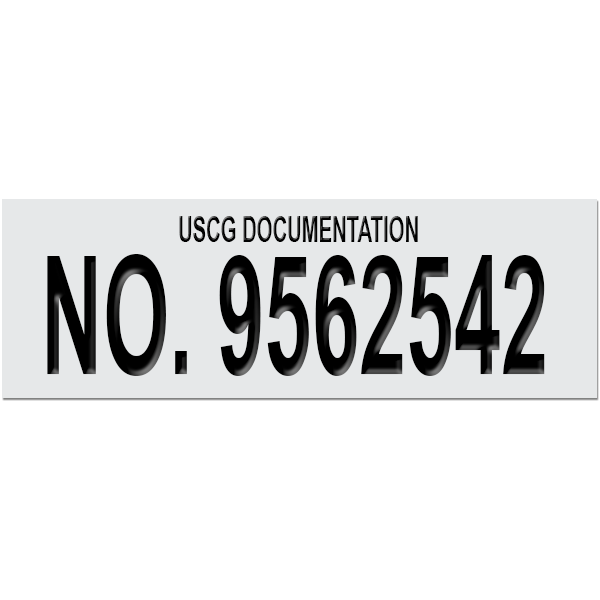
Marine Grade HDPE is a heavy, high-density plastic designed to be submerged in the water. Marine Grade HDPE is often used for boat placards, signage, panels, and marine parts. It’s water, salt, UV, and chemical resistant. Ordinary plastics may fail in marine conditions as they may crack, fade, weaken and more. Materials chosen for a particular application are critical for safety and compliance as well as long-term performance.
Boat owners, marinas and marine manufacturers need materials built to last. Such products are required to be very durable to sunlight, water and heating-cooling. Marine Grade HDPE fulfills these needs without ongoing upkeep. This balance between strength, flexibility and resistance makes them a more popular solution in the marine industry.
The guide goes into great detail on Marine Grade HDPE. It discusses what it is, what makes it essential, and how it measures up against the other oceanic materials. Tips to select the right solution are included in the text on HDPE. In the end, you will learn why Marine Grade HDPE can be utilized for a long time in our oceans.
Understanding Marine Grade HDPE
Marine Grade HDPE is a type of plastic that is engineered for marine exposure. It does not absorb moisture and is unaffected by salt. These qualities stop swelling, decay or corrosion.
On the contrary to wood and metal, HDPE doesn’t require sealing or painting. The structural integrity remains after years of exposure. This provides a perfect opportunity for functional and informational marine parts.
The ocean habitat is demanding. Materials have to withstand UV, impact and chemical exposure. Marine Grade HDPE is designed to meet this challenge consistently.
| Property | Marine Grade HDPE |
|---|---|
| Water absorption | None |
| UV resistance | High |
| Corrosion resistance | Excellent |
| Maintenance required | Minimal |
Knowing these characteristics clarifies the excellent performance of the material. It is precisely designed for a long, lasting and trustworthy product.
Key Properties and Performance Advantages
Marine Grade HDPE provides a number of performance benefits that make it a good choice for tough marine environments. These advantages go further than the surface level of just being sturdy.

Resistance to Marine Conditions
Many materials get destroyed by salt water exposure marine grade HDPE does not corrode in saltwater. It guarantees stability for the long term on shore and offshore.
Conventional plastic degrades and becomes brittle in UV Radiation. The HDPE used in marine environments contains UV stabilizers to prevent degradation. The hue and degree of strength remain unchanged over time.
Strength and Impact Resistance
HDPE is strong and flexible. It soaks up shock without breaking. This is perfect for use on boat placards and panels subjected to vibration or contact.
The stuff won’t splinter or shatter. Enhances safety over brittle alternatives in an active marine environment, this is important.
Chemical and Environmental Stability
Marine Grade HDPE does not absorb fuels and oils. Thus, it can be used in engine compartments and fuel areas. Chemical spills don’t affect the integrity.
Performance is not greatly affected by changes in temperature. HDPE is stable when used in scorching sunlight and cooler marine climates.
- Common Marine Applications
- Boat safety placards
- Compliance signage
- Marine panels and boards
- Dock and marina components
These applications highlight its versatility. Marine Grade HDPE adapts to many marine needs.
Marine Grade HDPE Compared to Other Materials
Selecting the proper marine material will often mean choosing between HDPE, wood, metal or acrylic. Both options have strengths and weaknesses. The choice of materials for marine applications will, primarily, be centered on appropriate longevity and maintenance of the various crafts. In this respect, It is far superior while offering very high durability with minimal maintenance requirements. Unlike conventional Marine Plywood, which is only moderately durable and requires high-maintenance to prevent rotting and delamination, HDPE remains structurally sound from months of constant contact with saltwater.
Other popular materials like Aluminum have high durability but require moderate maintenance to avoid galvanic corrosion and oxidation with time. Meanwhile, people typically use acrylic for low-stress applications due to its lower durability and the moderate care required to prevent scratches and crazing. The material selection plays an important role in affecting the build quality and operating cost of the vessel. Due to low maintenance and long life, HDPE is outstanding.
Longevity Comparison Graph

- Outstanding Longevity: It outperforms other materials in expected lifespan because it is chemically inert and resistant to rot and corrosion, which are the main enemies of other materials.
- Metal vs. Polymer: Aluminum being a very durable material that can provide a ‘Long’ lifespan is ranked just a bit lower than HDPE due to its vulnerability to oxidation and electrolysis in saltwater environments.
- Maintenance Dependency: Marine plywood offers a ‘moderate’ lifespan, which depends entirely on how well you seal and maintain it, as water ingress can quickly lead to structural failure.
- Very Low Durability: Acrylic will function the shortest among all the materials in marine environments because it is more exposed to surface damages, cracking, and brittleness due to UV light compared to the other structural alternatives.
Practical Tips for Choosing Marine Grade HDPE
When you select Marine Grade HDPE consider thickness and application. Thicker sheets allow for higher structural rigidity. Choosing the right color is important. Colors with UV stabilization fade less. Safety signage benefits from high-contrast colors. Always Use the Correct Fastener. HDPE slightly expands with the temperature.
Best Practices to Follow
- Match thickness to application needs
- Choose UV-stable colors
- Use appropriate fasteners
- Allow for thermal expansion
Following these practices ensures optimal performance. Proper installation extends lifespan significantly.
Why Marine Grade HDPE Is the Smart Choice
Vessel Placards has proven to be beneficial in harsh marine environments. All of these are available in one solution with durability, safety and low maintenance. When our users understand the benefits, they can make an informed choice. This guide showed what it is, key properties and how it compares. Valuable tips to help you make practical choices. Being knowledgeable can save money.
When boat owners and marine operators choose it for marine placards and components they are investing in long-lasting reliability in their operations. This material can endure harsher conditions than those of normal plastics. HDPE marine grade delivers the best performance and longevity for demanding marine applications.
